What is the Importance of Routines in the Classroom?

September 15, 2024

Dear Maria,


Why is so much time spent on learning routines and procedures at the beginning of the year? 


Sincerely, 

Impatient 

Dear Impatient, 


If your child went to Montessori Toddler or Primary, you have probably heard about the importance of routines for young children. Predictability can help children become more independent because they will be oriented to what is coming next, and can start participating in the tasks associated with each routine. Think about it this way - would it be easier to learn a new skill if you see it repeated the same way over and over, or if every time you see someone doing it, it’s done a little differently? (More on routines for younger children HERE, in a blog from Montessori Parenting.)


With older children, although we no longer talk about a “Sensitive Period for Order” (this is a First Plane concept), routines are still pretty important! They are one of the constraints or boundaries in which adults can allow children freedom. An example for routines in the family: Yes, you can play outside after school as long as you like - until dinnertime, because we always eat dinner together. Adjust this example to your own family’s circumstance and habits. 


The first weeks of school, each class community is brand new and lessons on routines and protocols take precedent over other kinds of lessons! In some of our classes, returning students may remember the routines (schedules, how you ask an adult a question, how you use materials, how you record work in your work journal, how you use the bathroom / fill up your water bottle / eat a snack etc.) from last year and may be asked to initiate and help new students. In our new Huckleberry classroom, many of the students are new to Cascadia, and so these lessons take on utmost importance! 


What is the importance of routines in the classroom?


Because Montessori classrooms strive to be places where children can initiate their own activities, following their own interest and needs, we use routines and protocols in order for the classrooms to not devolve into chaos! They are the reasonable limits to the freedom children can enjoy in a Montessori classroom. For example, children may be allowed to use clay and paint. However, they would need to be clean it before lunchtime, because we use the tables to eat lunch on. In order to work with as much autonomy (and as few interruptions) as possible, it’s necessary for students to learn and adhere to basic routines of the classroom. These generally fall into a few basic categories: 


  • How we treat other people - this may include a “class contract” or class agreements, practicing conflict resolution throughout the year, and being asked to stop doing something if it is disturbing others, and leaving your work area tidy out of consideration for others.


  • How we treat the materials, furniture, and other objects in the school - this includes learning where supplies are and how to put them back, working with Montessori materials as they were intended to be worked with, generally cleaning up after yourself and putting things back where you found them.


  • How we go about choosing work responsibly & record our work (for conferences or check-ins with the adults in our room) - this includes coming to lessons when asked to, choosing a variety of work including some challenging things, and practicing lessons you have been given.


  • How we treat ourselves - this includes learning about bathroom routines, water, changing shoes, remembering to bring weather-appropriate clothing and learning about healthy lunches, learning about relationships and how to deal with conflicts on your own. 


It’s worth noting that if a child has not mastered something in one of the above categories, they probably won’t be allowed to do work that involves that skill (think about the clay & paint example above - if you can’t or don’t want to clean up your messes, it would be difficult for the class community if you continue working with clay & paint.)


At the beginning of the year, the adults (sometimes with the help of the older children in the classroom) set the boundaries by implementing routines and protocols. It has been found that a predictable environment helps children feel secure and supports learning. 


This time of year, you will hear about guides and assistants guiding discussions about basic agreements in the classroom.You will find this happening at the beginning of the year in Montessori classrooms throughout the world. Having children state how they want to be treated and what they think is important gets a lot more buy-in from students than if adults simply state rules that are to be followed. It tells them their opinions matter and that THEY are the members of their classroom community. 

By Danielle Benge April 20, 2026
Dear Happy Camper, At Cascadia, overnight trips have become an important part of Montessori learning. Each trip is carefully planned to meet the developmental needs of students in the second and third plane of development (elementary and adolescence). For the first time since the Covid pandemic, our lower elementary students are getting this experience, and each overnight trip gets progressively longer to ease children into these independent journeys away from their families. Far from being just a trip, these experiences are carefully planned opportunities for students to discover who they are, what they're capable of, and how they are a part of the larger community and the wider world. While all Cascadia students, including our 6 to 9 year olds, spent a week away camping with their classmates and staff a few decades ago, this year we return to a more recent tradition of the Lower Elementary classrooms attending an outdoor camp for one night. For some, it will be their first night away from home. During this trip, they explore the outdoors, work together in groups, use their practical life skills outside of the classroom, and grow! This opportunity for developing independence can be transformative, and in the past we've seen new levels of independence in children practically overnight. With over 40 parents chaperoning for this first year at Camp Hope, we're just happy to be getting our feet wet, but know that independence is the foremost goal, and next year will look a bit different! After a few years of an overnight experience in Lower Elementary, our Upper Elementary classes are ready for a 2 night outdoor science camp. This spring, students went to Camp Hancock Field Station in the Oregon desert. Some years they visit Camp Gray, on the coast. These OMSI (Oregon Museum of Science and Industry) camps provide students with increasing opportunities to apply their practical life skills, like packing to be prepared for weather, helping with communal meals, and being responsible for their bedding. Every task empowers them to develop self-reliance and problem-solving skills, as well as rich opportunities to get to know one another and strengthen relationships with peers and classroom adults. Our adolescent students experience a few multi-night trips each year, traveling further from the local community to attend either Naturebridge Olympic science camp in Olympic National Park or Catalina Island Marine Institute's science school in Southern California. This year, students will visit Naturebridge. In addition, at the beginning of each school year, the adolescent program takes a three night camping trip (called an Odyssey) that allows for intensive team building, and an introduction to aspects of middle school life at Cascadia. The trip is key to everything that unfolds during the school year, and is a fun way to get started, working together to set up camp, prepare meals, and organize hiking, swimming, storytelling, singing, and lots of games. Experiences like these support the Cascadia child's growing independence, laying the groundwork for transitions in later life: the start of high school, going away to college, a first job, and beyond. As they conquer challenges outside their comfort zone, their confidence soars, organically building autonomy and independence that they'll continue to draw upon throughout their school years and beyond. It's also invaluable for the child's family, too, to see how truly capable our children are! A final note: If this is your child's first year spending the night with classmates at an overnight camp, know that it is okay to ask their guide for some extra help preparing. And while we want to see your children thrive in these experiences, if it doesn't happen in their first year, they will have a new opportunity to participate every year. Sincerely, Maria
By Danielle Benge March 31, 2026
Dear Chill Parent , Of course, excused absences and tardies happen from time to time, but when a child misses extended periods of school, it looks a bit different in a Montessori classroom. First, there is usually not a way to make up for missed work and lessons for the following reasons:  Lessons are sequential (and sometimes impromptu as we follow the needs of the children) and occur in small groups using hands-on materials, rather than assignments with textbooks or workbooks. Many learning experiences occur through peer interactions in our mixed-age classrooms. Spontaneous projects, Going Outs, research, regular conferences with their guide, and play opportunities can't be "made up". But also, at an age when social interactions and belonging are essential to your child's well-being, not being present at school means missing out on shared experiences and social-emotional work. While the absent child misses out, your child's friends and peers miss out, too! In a collaborative, student-led setting, this is essential to every child's success. We DO see children struggle to re-adjust after frequent or extended absences (even excessive tardiness), regardless of their academic abilities. It can be an added challenge to rebuild work habits, reestablish social connections, and feel like they belong at school. If you are struggling to get your child to school or are not sure about when to plan vacations, talk to your child's guide. We are all a part of your child's educational team, including you! Hope that helps…
By Danielle Benge March 16, 2026
Our elementary years are divided into 3-year cycles, which gives children many important benefits (that's a whole other topic), before moving on to a new, older class community. For 6th-year students, they are moving into a new plane of development (adolescence!), and are ready for a different type of experience that matches their needs and developmental characteristics. Joining a new classroom is exciting, but can also be a little scary at times, so we are very deliberate in how we support these transitions. First, the child's guide and assistant have been observing and working with the child, often for years, to track his social-emotional, intellectual, and academic progress. They are looking for a degree of readiness in the child to move into a new, older peer community. Readiness is never decided by academic progress alone, as we may give the child more time in their community if they need it. Please note that the language we use is important! A child who needs more time is NOT a child being "held back" in any way. They are getting more time to develop leadership, social-emotional, and academic skills. Please don't refer to it as being held back or failing a grade when speaking to your child about their or other children' s experiences. We talk with our 3rd and 6th-year students throughout the year before their transition, and encourage classes to call upon each other for resources like books and help with projects, so children can feel more connected and comfortable with every classroom community. Over the winter, 3rd and 6th-year students start visiting the Trillium, Willow, and Cedar classrooms. They may join lessons they are interested in, bring their own work, join another child's work, or even just make observations. These continued visits and the subsequent conversations initiated by the child's current guide help children to see themselves in a new environment and maybe think about what skills they can strengthen in preparation. Third-year children are also invited to join the upper elementary recess time on Fridays. Sixth-year students and all students in upper elementary already share a recess time with the adolescent community. Here, too, we are observing interactions across levels to gain a fuller picture of the social-emotional needs of the transitioning child. Specifically for third-year students, in spring, guides and staff start meeting to discuss which classroom a child will be placed in for the coming year. There are so many factors to consider! Students will always be placed with at least one or two familiar classmates. We consider how we can keep our upper elementary classrooms as balanced as possible for skill sets, personalities, neurodiversity, learning abilities, and gender. We generally give siblings a chance to have their own class communities. We also consider each child's interpersonal relationships with peers. While your child may feel nervous about the move, we don't always place them with a best friend. We have a lot of data collected to help us make these decisions. Our goal for our rising 3rd-year children is to have a classroom placement decided in May, at which point we share this information with families. Once children know, there are still a few upper elementary visits that occur specifically in the classroom they are joining. By May, our rising 6th-year students may be spending quite a bit of time in the adolescent community. The continued conversations between all guides and staff help make students' transitions smoother. The new guide doesn't need to start anew with each child, when they have guides and staff on hand to talk and brainstorm with. One last aspect is our requirement that families (parents/guardians) observe the upper elementary or adolescent classrooms. Transitions from one level to the next can be nerve-inducing, even flat-out challenging, but a child is much more likely to adapt to their new class community when all of the adults in their life come together to communicate and support them.
January 6, 2026
Our family had a great time attending the Winterfest performance this past week, but why do we have this community tradition? Is this a Montessori thing?
November 17, 2025
What are social stories?
November 6, 2025
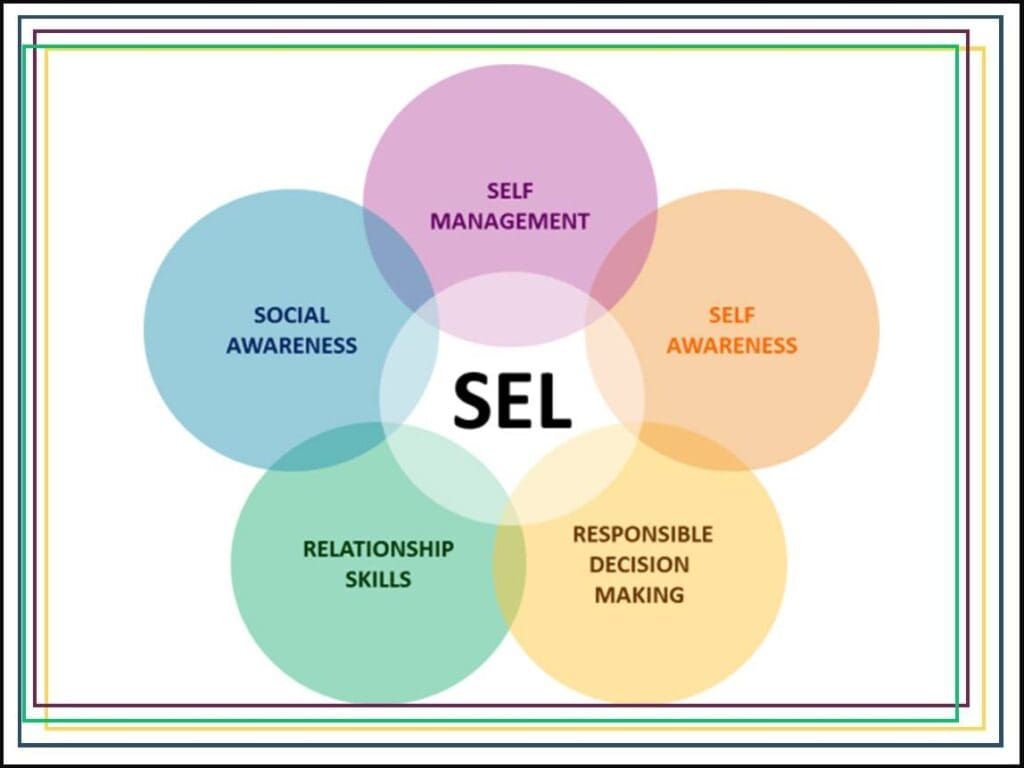
Why do we spend so much time on social and emotional skill building?
October 14, 2025
Dear Maria, How do I help foster my child's independence? Sincerely, Curious Parent
January 13, 2025
Dear Maria, Winterfest is coming up. What place do music, drama, and dance have in the Montessori classroom? Sincerely, Curious
September 18, 2024
Dear Maria, What are “Going Outs”? How do they help our children learn? Can I help? Sincerely, Cascadia parent Dear Cascadia parent, Going Outs are a key piece of the Montessori elementary experience. A Going Out is a child-led outing from the classroom and can take various forms. Children might go on an errand for the class community or for supplies for a special project (cooking, baking, arts & crafts, special experiment, etc.). They might go and see something in-person that they’ve been researching in class. Going to see a native animal or plant in its natural ecosystem, visiting the zoo to observe an animal, picking up books at the public library or visiting an expert to talk more about a topic or see a special demonstration might all be research-related going outs. The possibilities are endless and limited only to the child’s imagination…and to practicalities, because a vital part of Going Outs is that the children organize everything themselves! They’re responsible for organizing chaperones, transportation, necessary things to bring along, and getting an appointment or tickets if necessary. Going Outs are a huge part of how Elementary children learn about the world and practice independence! Many skills are involved in planning a Going Out, including map reading, learning about money, distance, time management, organizing a group, preparing practical items (using forethought to prepare for weather or unexpected events), and much more! Of course with the youngest children, your child’s guide and assistant will give lessons on Going Outs or assist them with planning their first trips. Young children might be invited to go along with an older and more experienced child and learn the process that way. Guides have established Going Out procedures to aid children in taking on this responsibility for themselves. (Part of these procedures involve notifying Susan in the office and parents & guardians about the going out date, time, and location, so don’t be worried about your child leaving campus without your knowledge.)
May 23, 2024
Dear Maria, What is Project Showcase?  Sincerely, Still a New(ish) Parent!
Show More