Montessori for All Children

February 9, 2023

Dear Maria,

I love Cascadia Montessori school! I wish every child could have access to such a great school! What’s being done to get Montessori to more children?

Sincerely,

Spread the Love


Dear Spread the Love,


The very first Montessori school in 1907 was a preschool for the poorest children in Rome. (Read more on the American Montessori Society’s page) But since Montessori education never became part of any country’s public school system, Montessori has tended to remain a private school solution and often inaccessible to exactly those children who first were students in Montessori schools. (About 9% of Montessori schools worldwide are public.) Many organizations and groups are working to remedy this situation today.


Montessori Public Policy Initiative works to close the gap between public education and Montessori education principles, driving education policy change so that all children have access to the gifts of a Montessori education.


The Black Montessori Education Fund’s mission is to increase engagement and support positive experiences of Black children and adults in Montessori education.


Educateurs sans Frontières seeks to identify innovative educational initiatives worldwide that are based on Montessori principles, and support them with mentorship and resources, guiding them towards sustainability, expansion and replication.


I'm so excited about these initiatives! Please consider supporting them in their work.


Your friend,

Maria


By Danielle Benge March 16, 2026
Our elementary years are divided into 3-year cycles, which gives children many important benefits (that's a whole other topic), before moving on to a new, older class community. For 6th-year students, they are moving into a new plane of development (adolescence!), and are ready for a different type of experience that matches their needs and developmental characteristics. Joining a new classroom is exciting, but can also be a little scary at times, so we are very deliberate in how we support these transitions. First, the child's guide and assistant have been observing and working with the child, often for years, to track his social-emotional, intellectual, and academic progress. They are looking for a degree of readiness in the child to move into a new, older peer community. Readiness is never decided by academic progress alone, as we may give the child more time in their community if they need it. Please note that the language we use is important! A child who needs more time is NOT a child being "held back" in any way. They are getting more time to develop leadership, social-emotional, and academic skills. Please don't refer to it as being held back or failing a grade when speaking to your child about their or other children' s experiences. We talk with our 3rd and 6th-year students throughout the year before their transition, and encourage classes to call upon each other for resources like books and help with projects, so children can feel more connected and comfortable with every classroom community. Over the winter, 3rd and 6th-year students start visiting the Trillium, Willow, and Cedar classrooms. They may join lessons they are interested in, bring their own work, join another child's work, or even just make observations. These continued visits and the subsequent conversations initiated by the child's current guide help children to see themselves in a new environment and maybe think about what skills they can strengthen in preparation. Third-year children are also invited to join the upper elementary recess time on Fridays. Sixth-year students and all students in upper elementary already share a recess time with the adolescent community. Here, too, we are observing interactions across levels to gain a fuller picture of the social-emotional needs of the transitioning child. Specifically for third-year students, in spring, guides and staff start meeting to discuss which classroom a child will be placed in for the coming year. There are so many factors to consider! Students will always be placed with at least one or two familiar classmates. We consider how we can keep our upper elementary classrooms as balanced as possible for skill sets, personalities, neurodiversity, learning abilities, and gender. We generally give siblings a chance to have their own class communities. We also consider each child's interpersonal relationships with peers. While your child may feel nervous about the move, we don't always place them with a best friend. We have a lot of data collected to help us make these decisions. Our goal for our rising 3rd-year children is to have a classroom placement decided in May, at which point we share this information with families. Once children know, there are still a few upper elementary visits that occur specifically in the classroom they are joining. By May, our rising 6th-year students may be spending quite a bit of time in the adolescent community. The continued conversations between all guides and staff help make students' transitions smoother. The new guide doesn't need to start anew with each child, when they have guides and staff on hand to talk and brainstorm with. One last aspect is our requirement that families (parents/guardians) observe the upper elementary or adolescent classrooms. Transitions from one level to the next can be nerve-inducing, even flat-out challenging, but a child is much more likely to adapt to their new class community when all of the adults in their life come together to communicate and support them.
January 6, 2026
Our family had a great time attending the Winterfest performance this past week, but why do we have this community tradition? Is this a Montessori thing?
November 17, 2025
What are social stories?
November 6, 2025
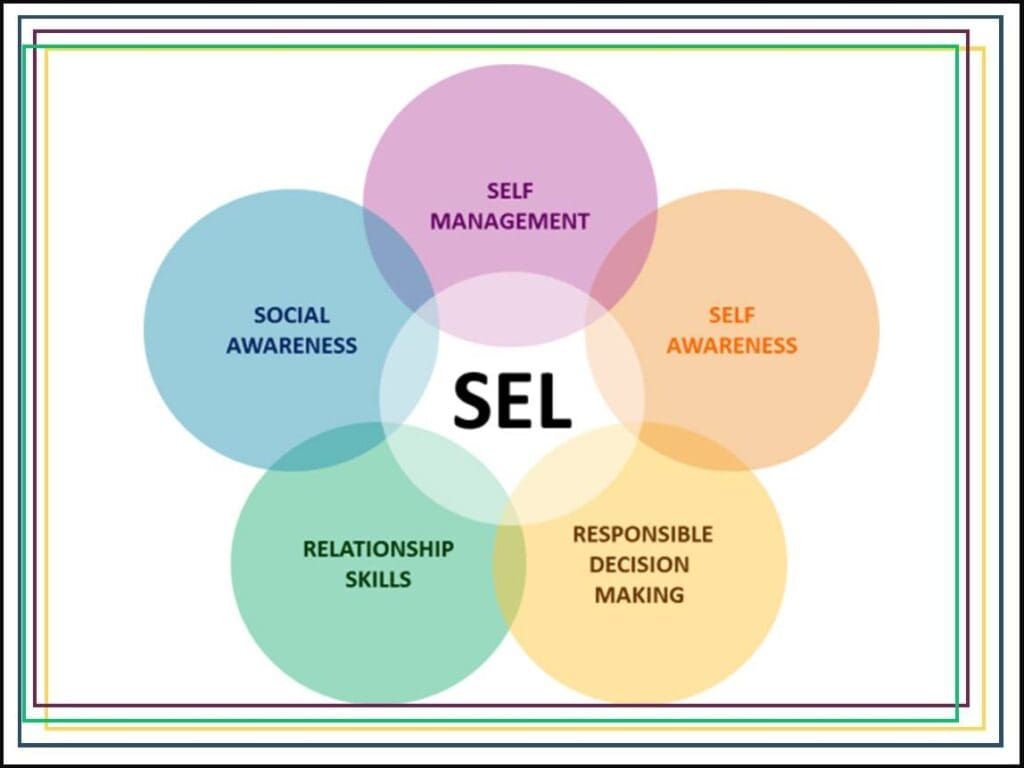
Why do we spend so much time on social and emotional skill building?
October 14, 2025
Dear Maria, How do I help foster my child's independence? Sincerely, Curious Parent
January 13, 2025
Dear Maria, Winterfest is coming up. What place do music, drama, and dance have in the Montessori classroom? Sincerely, Curious
September 18, 2024
Dear Maria, What are “Going Outs”? How do they help our children learn? Can I help? Sincerely, Cascadia parent Dear Cascadia parent, Going Outs are a key piece of the Montessori elementary experience. A Going Out is a child-led outing from the classroom and can take various forms. Children might go on an errand for the class community or for supplies for a special project (cooking, baking, arts & crafts, special experiment, etc.). They might go and see something in-person that they’ve been researching in class. Going to see a native animal or plant in its natural ecosystem, visiting the zoo to observe an animal, picking up books at the public library or visiting an expert to talk more about a topic or see a special demonstration might all be research-related going outs. The possibilities are endless and limited only to the child’s imagination…and to practicalities, because a vital part of Going Outs is that the children organize everything themselves! They’re responsible for organizing chaperones, transportation, necessary things to bring along, and getting an appointment or tickets if necessary. Going Outs are a huge part of how Elementary children learn about the world and practice independence! Many skills are involved in planning a Going Out, including map reading, learning about money, distance, time management, organizing a group, preparing practical items (using forethought to prepare for weather or unexpected events), and much more! Of course with the youngest children, your child’s guide and assistant will give lessons on Going Outs or assist them with planning their first trips. Young children might be invited to go along with an older and more experienced child and learn the process that way. Guides have established Going Out procedures to aid children in taking on this responsibility for themselves. (Part of these procedures involve notifying Susan in the office and parents & guardians about the going out date, time, and location, so don’t be worried about your child leaving campus without your knowledge.)
September 15, 2024
Dear Maria, Why is so much time spent on learning routines and procedures at the beginning of the year? Sincerely, Impatient
May 23, 2024
Dear Maria, What is Project Showcase?  Sincerely, Still a New(ish) Parent!
April 18, 2024
Dear Maria, What's with the tape on the floor in the hallway?
Show More